Why 2024 Diesel Rules Can Add to Classic Pickup Ownership
You’ll learn how recent emission mandates turned beloved diesel pickups into costly liabilities. Most guides miss the hidden compliance fees that explode the budget.
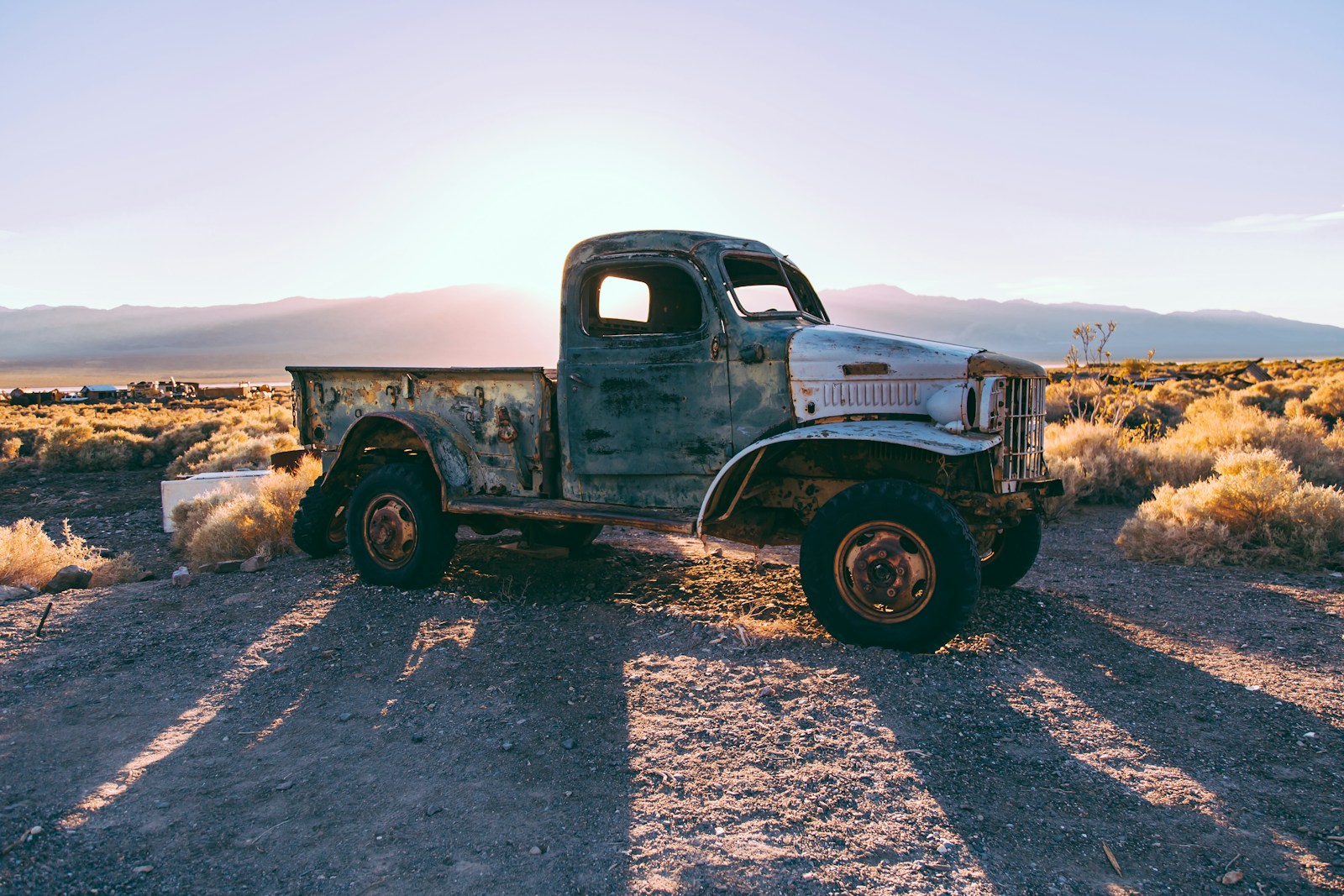
When the EPA announced a hard deadline for 2024 diesel emissions, owners of 1990s‑era pickups suddenly faced a choice between a sinking feeling and a sinking bank account. The rule change targeted nitrogen‑oxides and particulate matter, pollutants that older engines spew without modern after‑treatment, and the penalty matrix was designed to push every chassis onto the road to a certified emissions‑control plan. Ignoring the deadline meant registration denial, hefty fines, and a resale market that evaporated faster than a cold‑start in January.
Legislation that once applied only to new heavy‑duty trucks was retroactively extended to any diesel‑powered vehicle built before 2007. The agency justified the shift by citing a 30‑percent rise in on‑road diesel pollutants over the previous decade, a statistic that still fuels heated debates among hobbyists. The new Tier 3 standards demand a combined NOx limit of roughly 0.02 g/kWh, a figure most legacy powerplants cannot meet without a diesel particulate filter (DPF) and an advanced exhaust gas recirculation (EGR) system.
The 1995‑2005 pickups that many restorers cherish were never engineered for these controls. Their cast‑iron blocks and mechanically injected fuel systems lack the electronic sensors required for real‑time emissions monitoring. Adding a DPF to a 5.9‑liter V8 often means fabricating custom brackets, welding exhaust reroutes, and compromising the original muffler tone that enthusiasts prize. Even when a filter fits, the engine’s computer will throw error codes unless the ECU is reflashed with a calibration that acknowledges the new hardware.
Most owners tried to sidestep the paperwork by claiming “limited mileage” or “off‑road use,” hoping state registries would grant an exemption. In practice, those petitions are reviewed by a small team that cross‑checks odometer logs, insurance records, and even satellite images of the vehicle’s parking spot. The denial rate hovers around half, and a rejected application triggers a $500‑$1,200 administrative surcharge before the appeal can even be filed.
Compliance costs explode once a pickup is flagged as non‑conforming. A full‑scale DPF retrofit from a certified shop typically runs between $2,200 and $5,500, depending on pipe diameter and labor hours. Adding a high‑pressure fuel pump to meet revised injection timing adds another $800‑$1,600, while the mandatory onboard diagnostics (OBD) module can set a buyer back $300‑$700. Those numbers sit on top of the base price of the truck, which for a well‑preserved example often sits in the $12‑$18K range.
Repair bays that specialize in emissions upgrades also charge for paperwork that most hobbyists overlook. The state’s emissions certification form carries a filing fee that varies by jurisdiction but usually falls between $100 and $250. A separate inspection, required to validate the DPF’s flow rate, can add another $150‑$350. If the inspection fails, the shop must redo the welds or adjust the sensor placement, a process that can double the labor bill within a week.
Because the market now penalizes non‑compliant trucks, resale values have taken a noticeable dip. Listings for similar models that lack a certified emissions package often sell for 15‑25 percent less than their upgraded counterparts, a gap that widens in states with strict smog enforcement. Buyers increasingly request proof of a recent emissions test, and sellers who cannot provide it find offers evaporating before they can even negotiate a trade‑in.
Typical action steps start with a cost‑benefit analysis: decide whether to sell, retrofit, or accept the vehicle as a garage‑only showpiece. A basic DPF kit sourced from an aftermarket supplier costs roughly $1,200‑$2,000, but professional installation is where the bulk of the expense lies. Expect labor rates of $90‑$130 per hour, with a full install demanding 20‑30 hours of work. For those who cannot justify a full retrofit, a partial solution such as a “tune‑and‑seal”—which involves adjusting fuel delivery and sealing obvious leaks—usually falls in the $500‑$900 bracket, though it does not guarantee legal compliance.
Budgeting for these upgrades requires a written estimate that itemizes parts, labor, and any state fees. Request the quote in a PDF format and compare it against at least two other shops to avoid inflated pricing. Some owners have leveraged a small business tax credit for “green retrofits,” which can shave 10‑15 percent off the final bill when filed correctly. Keeping a spreadsheet of all receipts also helps when negotiating a future resale, as documented compliance often translates into a higher asking price.
Before any shop signs a contract, verify that the facility holds a current emissions‑equipment certification from the state’s motor vehicle department. Ask for a copy of the technician’s license and confirm that the shop’s warranty covers both parts and labor for at least one year. Insist on an itemized list that separates the DPF, ECU flash, and filing fees, so you can spot any hidden mark‑ups before they become sunk costs.
Double‑check that the completed installation will be recorded in the vehicle’s title or registration file; without that entry, the upgrade is meaningless on paper and the truck remains illegal on public roads. Once you have the certification sticker, a stamped inspection report, and a clear line item for each expense, you can sign with confidence that the money you just spent isn’t disappearing into another bureaucratic void.
Keep reading

Why 1970s Full‑Size Pickups Drain + in Hidden Repairs
You’ll discover how the once‑prized 1970s full‑size pickups become money‑sucking collector traps. Most guides gloss over rust‑induced chassis failures and the true cost of keeping them road‑legal.